
Look Up Dolton Neighbors
Official records describe the block in layers. CookViewer draws parcel boundaries and can select nearby land. The Assessor and tax systems describe property, owners, values, and mailing contacts. Illinois voter tools verify one person’s registration from private identifying inputs, but do not publish a public household list. Community sources identify institutions and programs, not private members.
| Official source | Block-level evidence | How to reach it |
|---|---|---|
| CookViewer | Parcels, PINs, nearby radius, zoning, flood, school, library, park, political, and tax layers | Free public map |
| Assessor and property portal | Owner label, mailing address, class, lot and building facts, exemptions, and tax history | Free address or PIN search |
| Illinois voter lookup | Personal registration check after name, birth date, ZIP, and street inputs | Self-service verification, not a block list |
| Village records | Specific permit, code, complaint, or program record when releasable | Clerk or GovQA FOIA request |
| Public institutions | Known church, library, school, and community locations | Official public pages |
An owner name proves only what that dated property source says. A tax mailing address may point elsewhere, and an exemption is not a full household list. Keep the source’s own label. That discipline makes research about Dolton neighbors useful without overstating occupancy.
CookViewer Defines Dolton Neighbor Blocks
CookViewer accepts an address or PIN, then exposes a Nearby Search that uses a source parcel and radius. It also offers Compare Properties and result export to CSV or Excel. Those tools make a block study reproducible because the researcher can state exactly which parcel and distance formed the set.
The captured parcel viewer shows the nearby map controls used for Dolton neighbors.
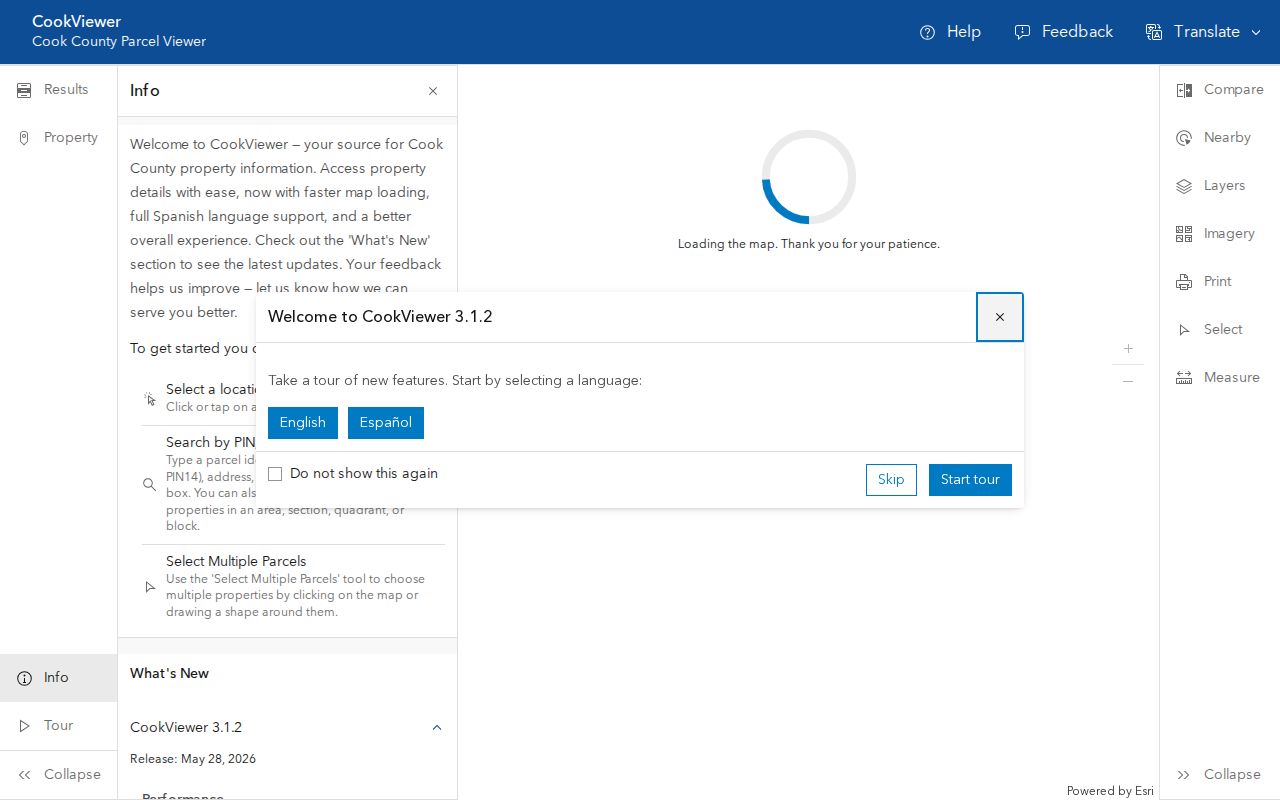
Save the query date, source PIN, radius, and active layers. CookViewer’s historical parcel archive reaches 2000 to the present, and the inspected release was dated May 28, 2026. Those dates matter when a lot changes.
Dolton Neighbors Share Map Layers
Parcel ownership is only one view of a block. CookViewer can place the same land under zoning, flood, school, library, park, political, and tax layers. These are strong neighbor facts because they describe shared public geography without publishing a list of people next door.
For example, two adjacent parcels may share a school district but differ in flood context or tax code. Compare Properties adds class, neighborhood, square footage, and age. These fields help explain the built block. They do not prove that the owners shown in tax data live there now.
Note: Export only the parcels needed for the question, and keep the CookViewer release date with the saved result set.
Map a Dolton Neighbor Block
Start small. A source address and the parcels touching it usually answer a block question better than a sweep of the full street. Each step should preserve the distinction between land, recorded owner, tax contact, and occupant.
- Standardize the full address, including unit, then locate it in CookViewer. Save its PIN and parcel outline.
- Use Nearby Search or click only the parcels that touch the source lot. Record each PIN before opening property details.
- Compare the Assessor owner label and property location with the tax mailing field. Describe exactly what each source reports.
- Add zoning, district, park, school, or flood layers when the question concerns shared public geography.
If the research needs every parcel along the road, switch to the Dolton street directory workflow. That page handles a named street, while neighbor research should remain focused on the immediate block.
Dolton Neighbor Numbers Explain Adjacency
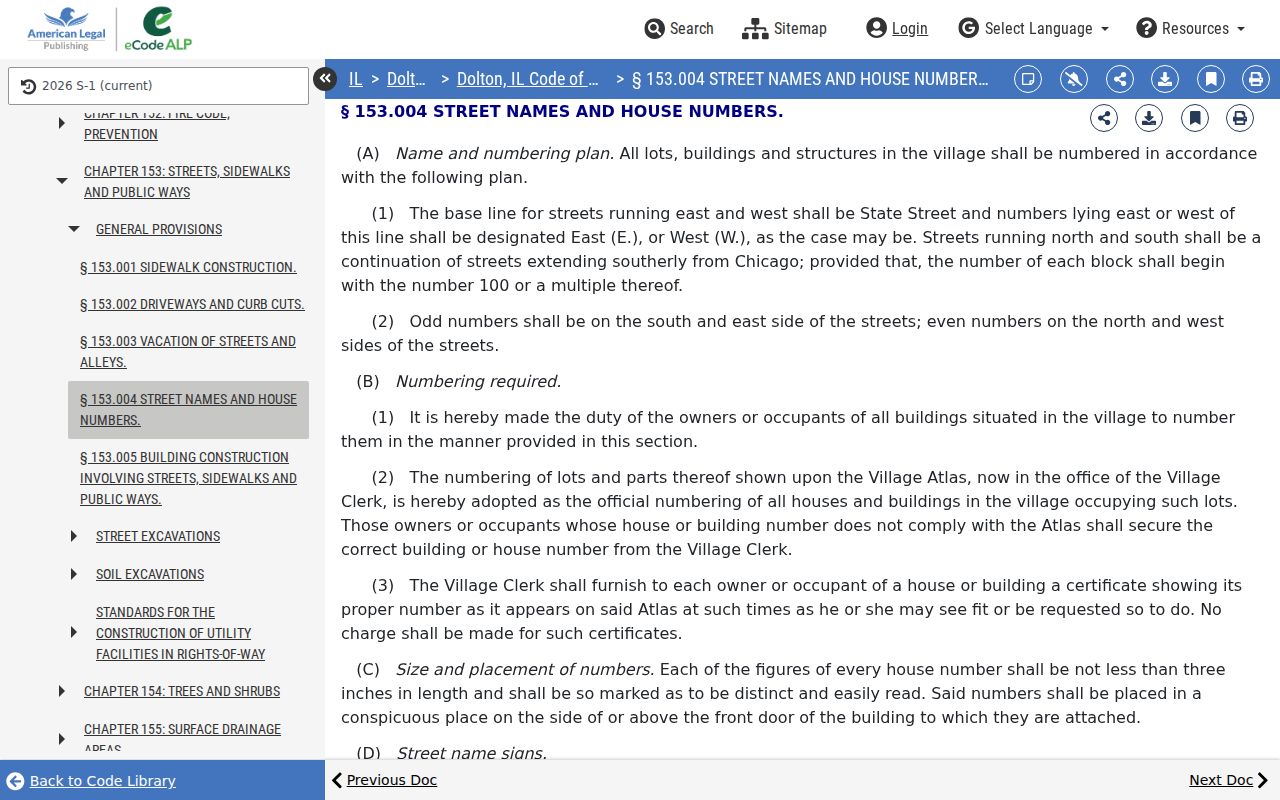
The Dolton code makes address order unusually testable. Section 153.004 uses State Street as a north-south baseline, continues Chicago-style numbering, assigns odd and even sides by direction, advances block numbers, and requires rear structures to use the front number plus “Rear.” The Village Atlas is the local source for a proper-number certificate.
These rules help when adjacent homes seem out of order or a rear building is missing from a simple search. The Dolton address-numbering code gives the official framework.
Dolton Neighbor Context Without Rosters
No consolidated official Dolton neighborhood-association or block-club directory was found. That gap should remain visible. An unverified roster would confuse public community context with private membership. Village resources and public institutions offer safer landmarks.
Village community programs
Official Dolton resources publish programs, assistance, and community notices.
Dolton Public Library
The library provides public databases, genealogy links, news resources, and a civic place on the block map.
Public congregations
New Community Church, Faith United Methodist, and Christ Oasis South provide public locations, not membership proof.
A public institution can orient a block or suggest an archive to contact. Its address cannot be used to infer that nearby people are members.
Request Dolton Neighbor Records
Dolton does not expose an open address search for permit, inspection, or complaint histories. The inspection lookup requires both an inspection number and passcode. When those are unknown, request a defined record from the Village Clerk or submit through GovQA under the Illinois Freedom of Information Act.
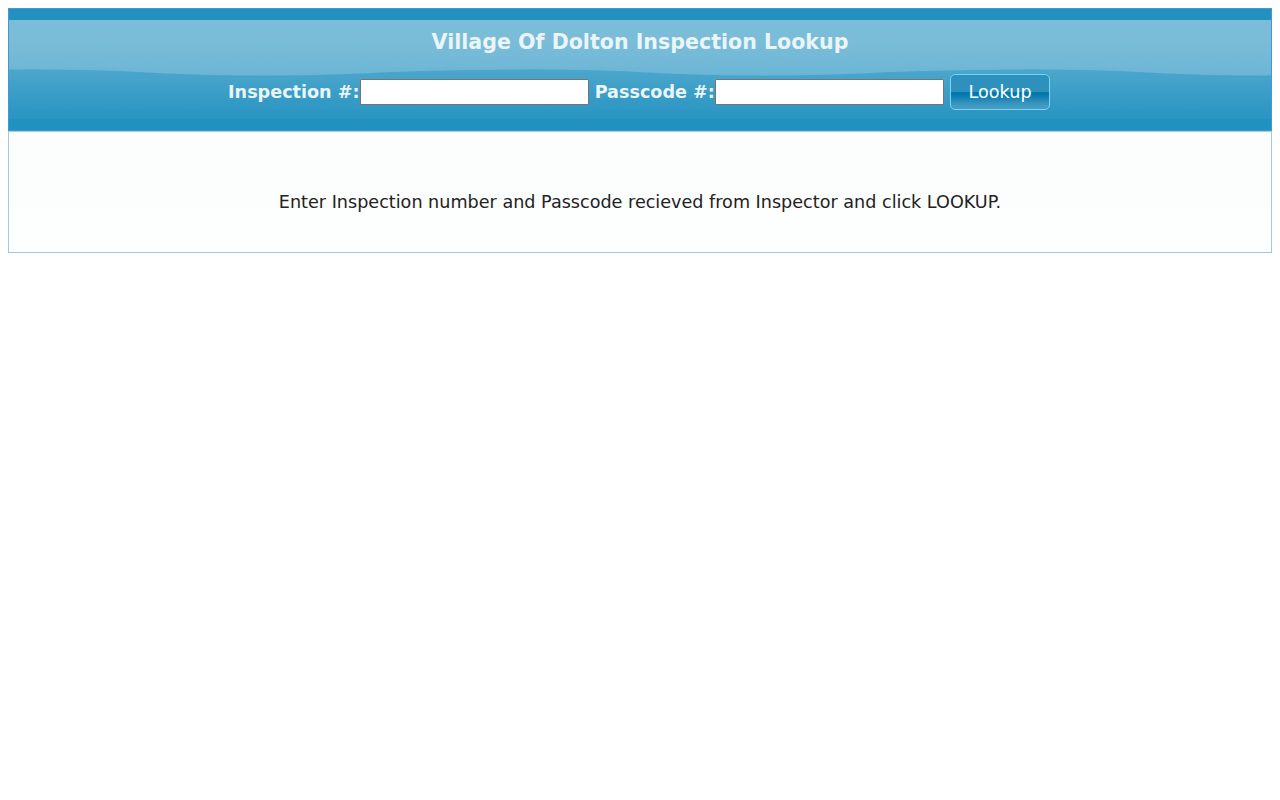
An inspection result can document a dated municipal check, but it does not identify every resident or prove who reported an issue.
The Dolton concern portal offers a submit-or-view ticket interface.
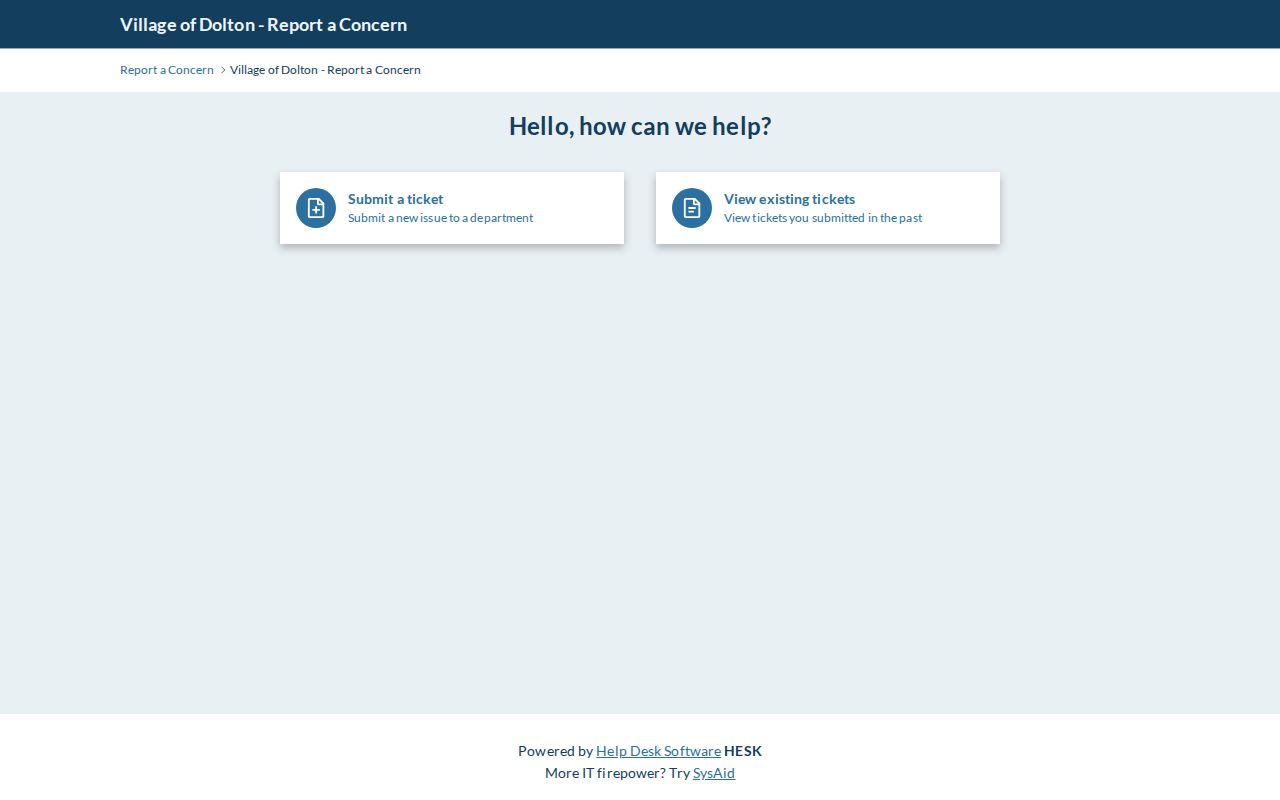
Give the address, date range, department, record type, and any case or permit number. Ask for electronic inspection when practical. The Clerk page states a five-business-day response for noncommercial requests, with a possible five-business-day extension after notice. First 50 black-and-white letter or legal pages are free, then $0.15 per page; electronic media may be charged at actual cost.
Requests should target a municipal record, not “everything about the neighbors.” FOIA exemptions and redactions still apply, and an inspection complaint does not prove the claim was sustained.
Compare Dolton Neighbor Results
Official sources are slower to combine, yet each fact comes with a named custodian, date, and defined purpose. Commercial neighbor tools may merge names, phone numbers, and old addresses without showing which record caused the match. That convenience raises the risk of stale or blended identities.
| Approach | Strength | Limit |
|---|---|---|
| Cook County parcel and tax records | Official parcel, owner, and tax labels | Do not prove current occupancy |
| Village and community sources | Dated public programs and municipal records | No private membership roster |
| Commercial category | Fast merged clues | Source dates and identity links may be unclear |
For Dolton neighbors, report the official field and inspection date. If two sources disagree, preserve both and resolve the parcel or address before attaching a person.
Privacy for Dolton Neighbors
Public parcel and tax data do not reveal every resident. Utility accounts, delivery data, and household lists are not open neighbor directories. Illinois voter information also has purpose limits, and the public registration lookup requires personal inputs rather than offering a block roster. Never treat a failed search as proof that a person is absent.
Illinois’s Address Confidentiality Program can give eligible survivors a substitute address and protected voter-registration route. It does not erase ordinary deeds or property records. Respect redactions and withheld fields, and do not try to defeat a confidentiality measure by joining unrelated sources.
Lawful use. Research Dolton neighbors for civic context, reconnecting, or personal awareness. Never use public records to watch, harass, threaten, or intimidate anyone.